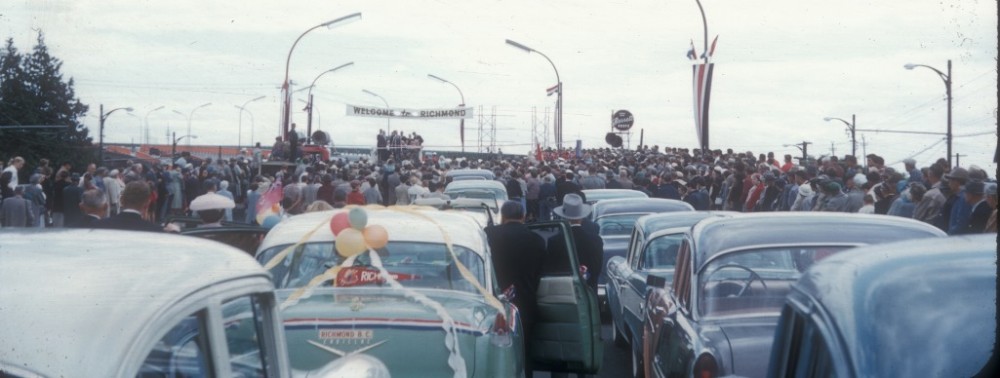
After the end of the Second World War Richmond returned to a semblance of normal life. The Air Raid Precautions Brigades were disbanded, wartime activities were ended and the prospect of further wartime Civil Defence measures seemed unlikely. Then, in September 1949, a routine American Air Force Weather Service flight from Japan to Alaska picked up traces of radioactive debris in its filters, indicating that a nuclear explosion had taken place in the Soviet Union and that the Communist Bloc had tested an atomic weapon. The ensuing build-up of nuclear weapons and fear of a potential “atomic Pearl Harbor” led to the next outbreak of Civil Defense action in Richmond and in the rest of Canada.
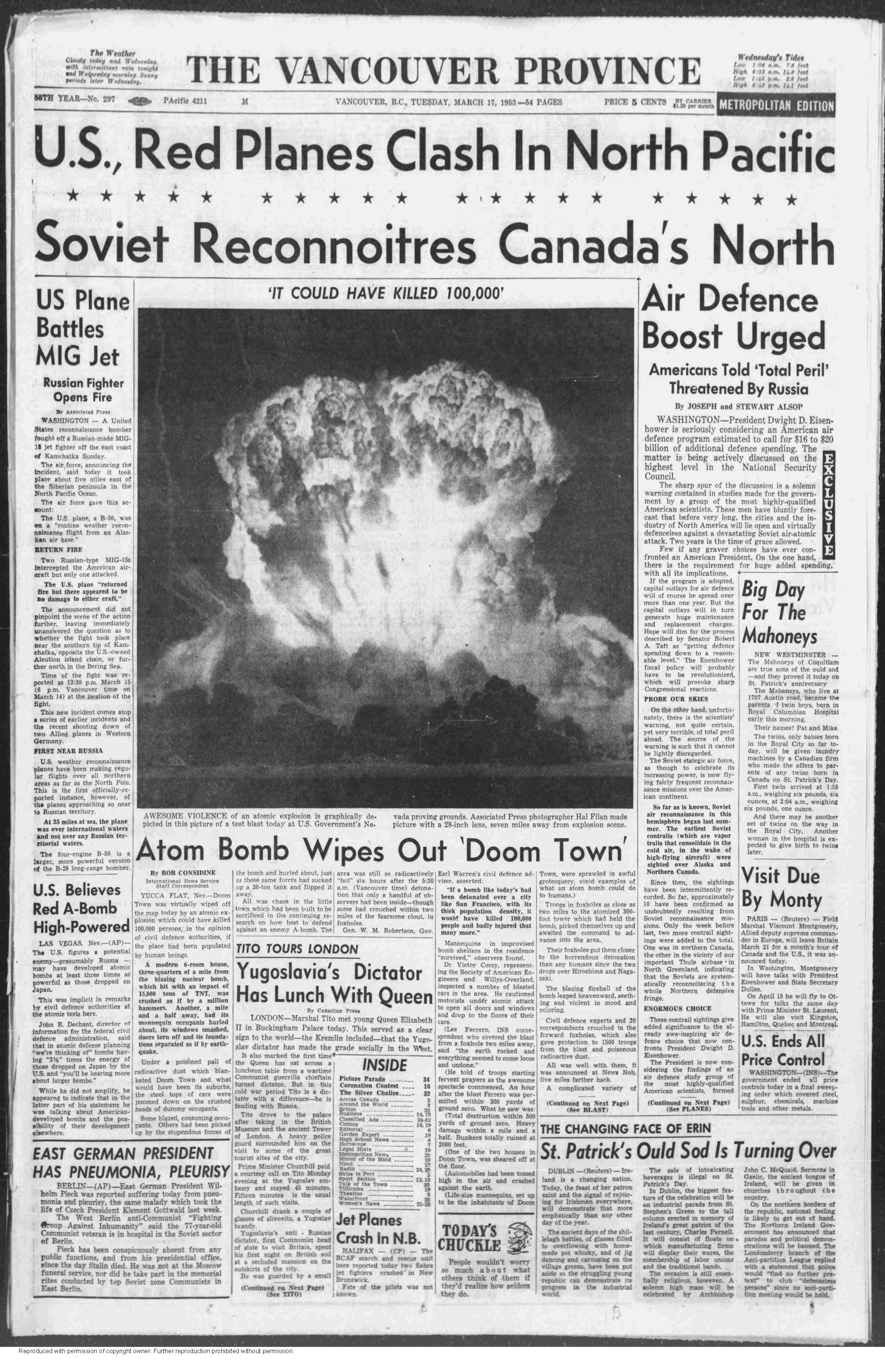
By 1951 Ottawa had begun the process of planning for the possibility of a nuclear attack and had declared that Vancouver, New Westminster, North and West Vancouver, Burnaby and Richmond were a “Target Area” for the purpose of Civil Defense. Committees and sub-committees were organized, and a chain of command was set up. At the request of the authorities, maps were prepared by local officials showing details such as population density (day and night), transportation and communications, location of hospitals (including number of beds), schools (number of students and staff), police and fire stations, Government buildings and bridges.
The intent of the planning was to ensure the survival of as many people as possible after an atomic strike. The destruction and casualties resulting from a direct strike on Vancouver would have been massive, but it was felt that with sufficient warning and training of the civilian population, injuries, deaths and sickness from radiation could be halved.
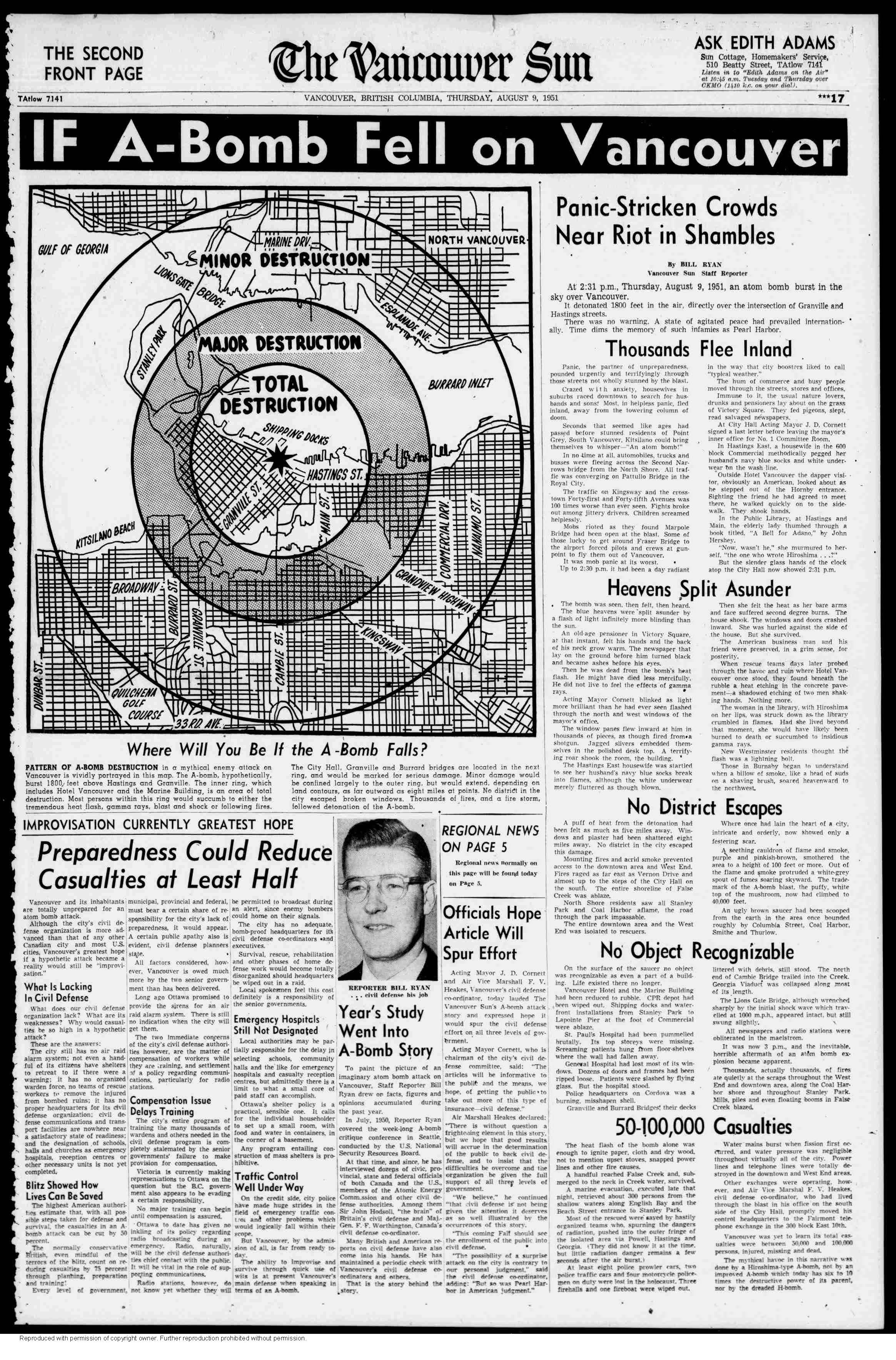
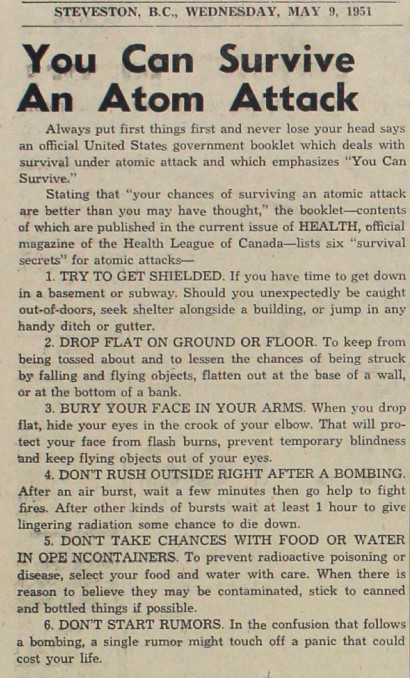
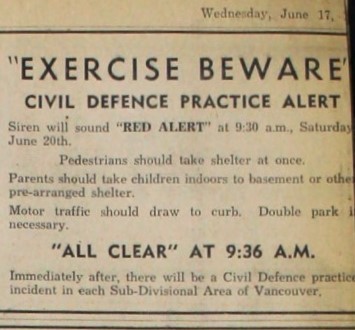
Newspaper articles about Civil Defense became common, giving instructions on ways to survive an “Atom Attack.” By early 1953, Civil Defense courses were offered, first a nine-week course for civilians who volunteered to become instructors and then basic general courses for the public. The federal Government sent out a convoy of tractor-trailers with an exposition on civil defense which travelled across the country, arriving at the Seaforth Armouries in late October, 1953. The displays, on loan from the USA, offered the latest information on national readiness and atomic warfare. It was expected that approximately 10% of the population would sign up for civil defense duties and many did.
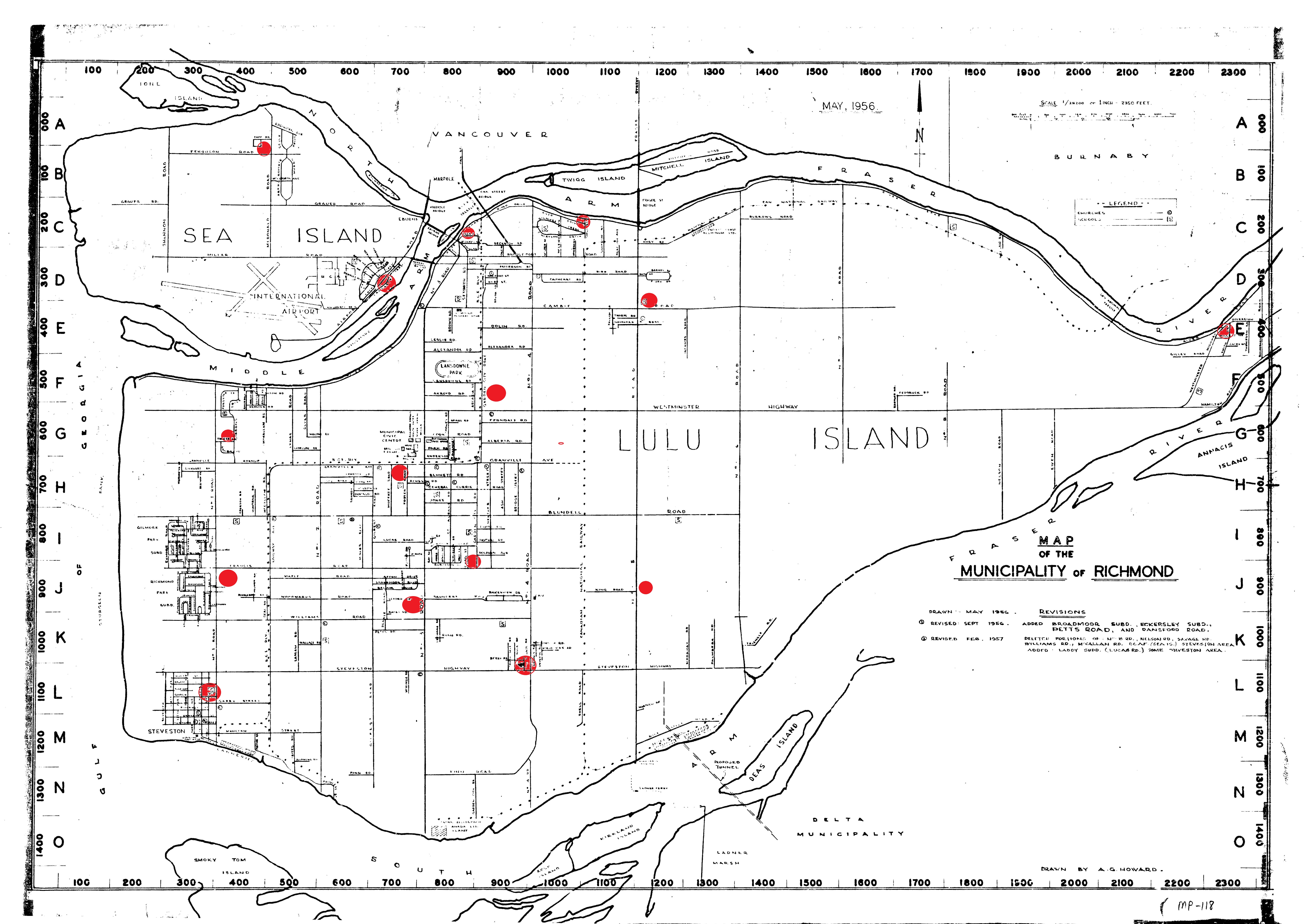
In 1953, the four old A.R.P. sirens mounted at the four fire halls were the only warning devices in Richmond. At the request of the Coordinator of Civil Defense, the Richmond Superintendent of Public works produced a map showing the requirements for a system of sirens to alert all residents of Richmond. The network of sirens used 17 of the same type of units presently mounted at the fire halls, 5 horsepower electric sirens with an audible area of one mile radius. The four existing sirens could be used, but three of them would be moved for better coverage. Four air horns were to be provided for use by the fire departments. The total cost of the installed network was expected to be $12,446.72, divided equally by the Federal, Provincial and Municipal Governments, with the Federal Government supplying the sirens free of charge. New installations were to be mounted on wooden poles, supplied with three phase power, and telephone connections to allow their operation. either locally or from a control centre in Vancouver. Each siren had two signals, an undulating wail (indicating a Red Alert) and a continuous siren (indicating All Clear.) This “wish list” of siren placement never took place and it took until the 1960s for Richmond’s warning system to reach its final configuration.
As more attack warning sirens were installed, they were located in a pattern to accomplish maximum coverage of the municipality. Relocation of sirens, usually because of a planned use of the siren’s original location or for upgrading, could take place provided the relocation was not much more than 100 yards away from the original location.
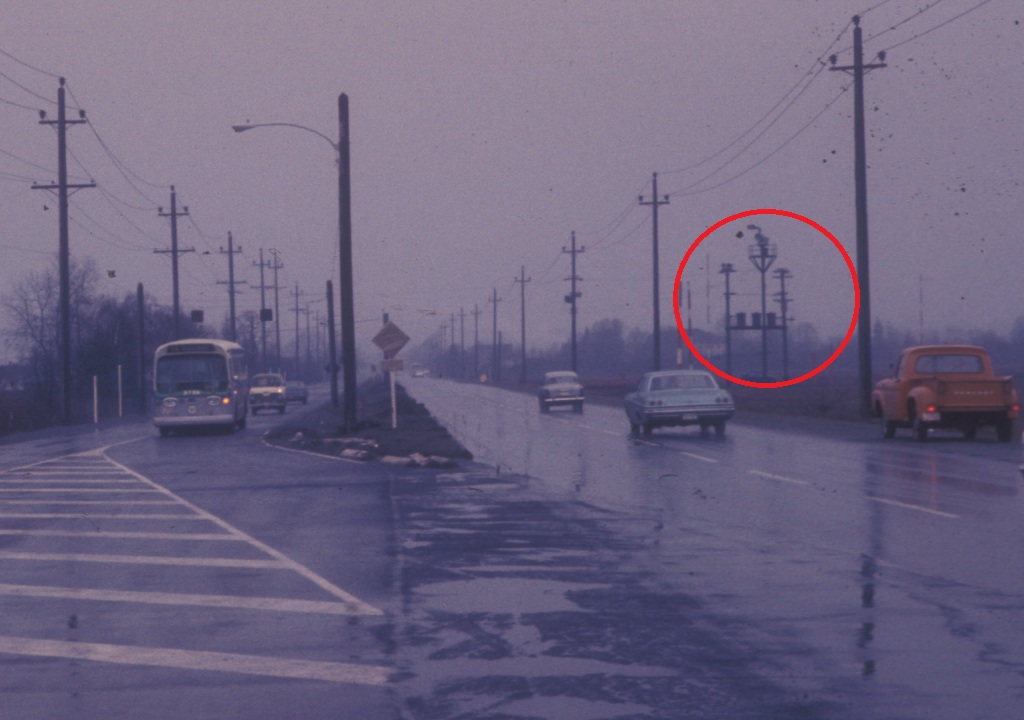
By 1955, Richmond had seven air raid sirens installed. They were erected at the River Road pumphouse in Hamilton, on Tucker Avenue near No.1 Road in Terra Nova, at River Road near Duck Island and the cedar mill, the Steveston Firehall, the Municipal Hall, Mitchell School and near the airport at Lancaster Crescent. These sirens were all old style A.R.P. units, leftover from the Second World War and, over the years, most would be removed from civil defense service, replaced by more modern models in nearby locations, although some remained active for local use by the firehalls. In 1957 the siren at the Municipal Hall was moved to the top of the hose tower at the Brighouse Firehall only to be supplanted by a newer unit near the intersection of Moffatt Road and Granville on the Richmond High School grounds in 1962.
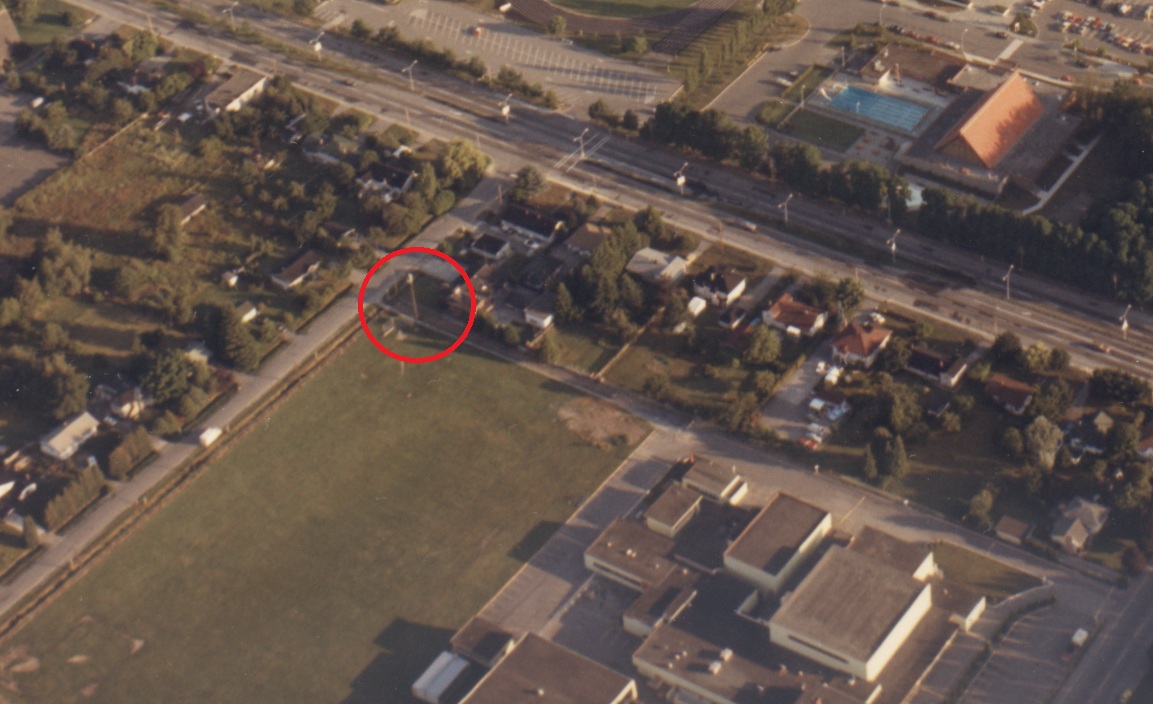
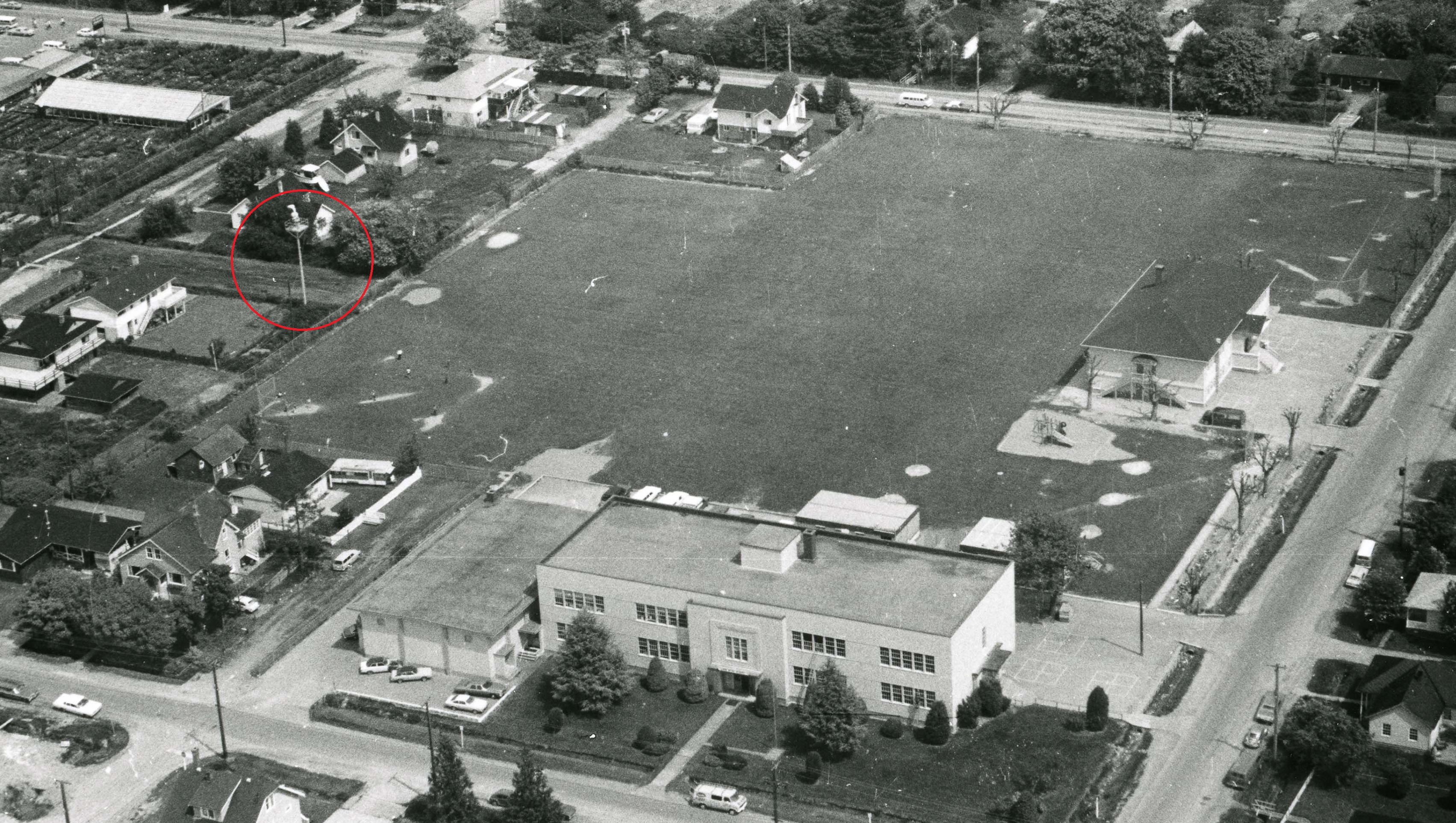
A new siren north of Lord Byng School in Steveston took over for the one at the fire hall around 1960. A siren proposed for the intersection of Ferndale and Garden City in 1958 was installed on the roof of the Lansdowne Clubhouse and was later replaced by a modern unit on the Garden City lands. Another new siren proposed for the River Road-Shell Road intersection was installed on the roof of the Dr. Ballard’s dog food plant near River Road and No. 5 Road and was later replaced by a pole-mounted unit.
As sirens were added through the 1960s, coverage of the municipality improved, although there were none east of No. 5 Road until Hamilton. Richmond ended up with a total of 15 sirens in the civil defense system.
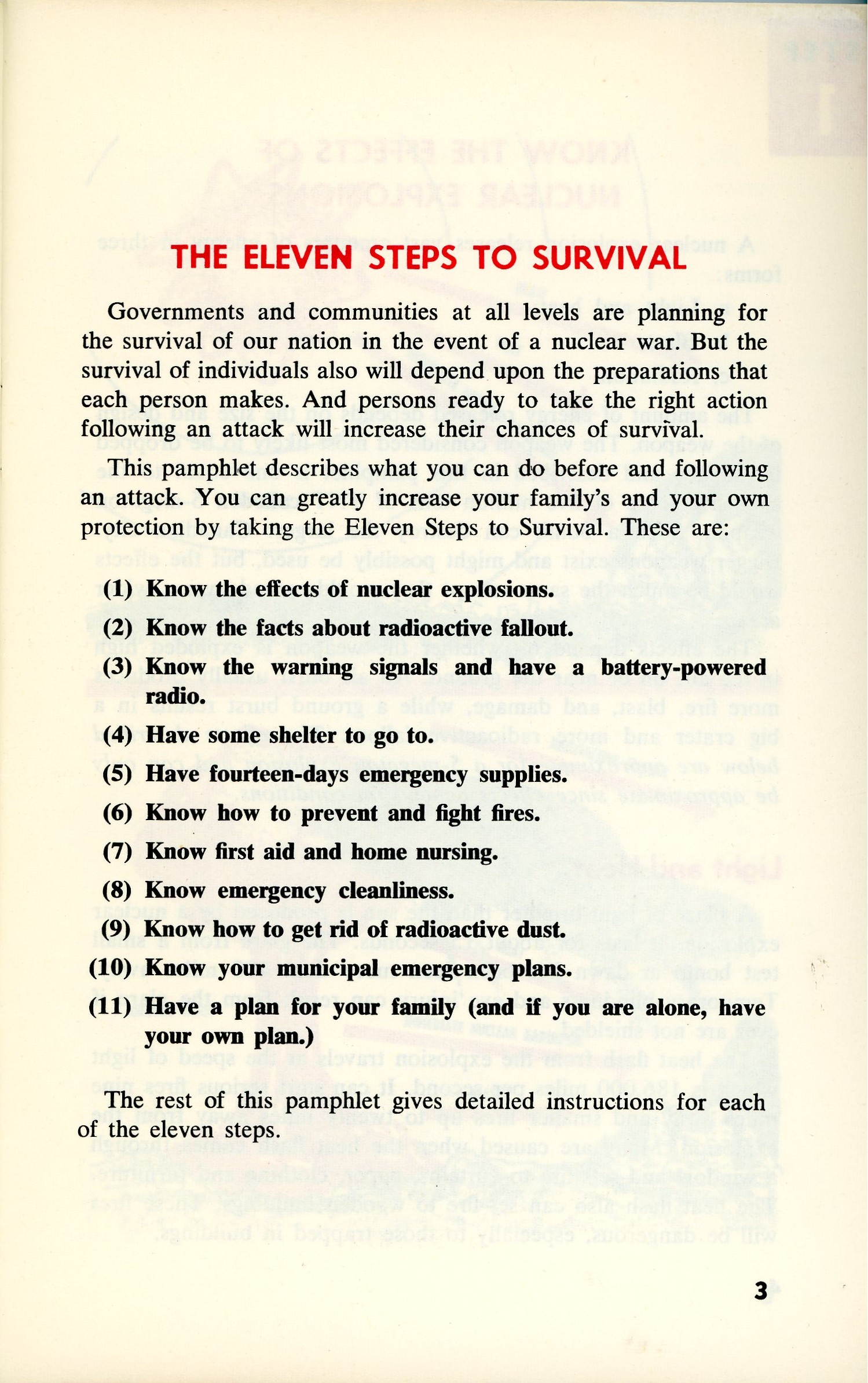
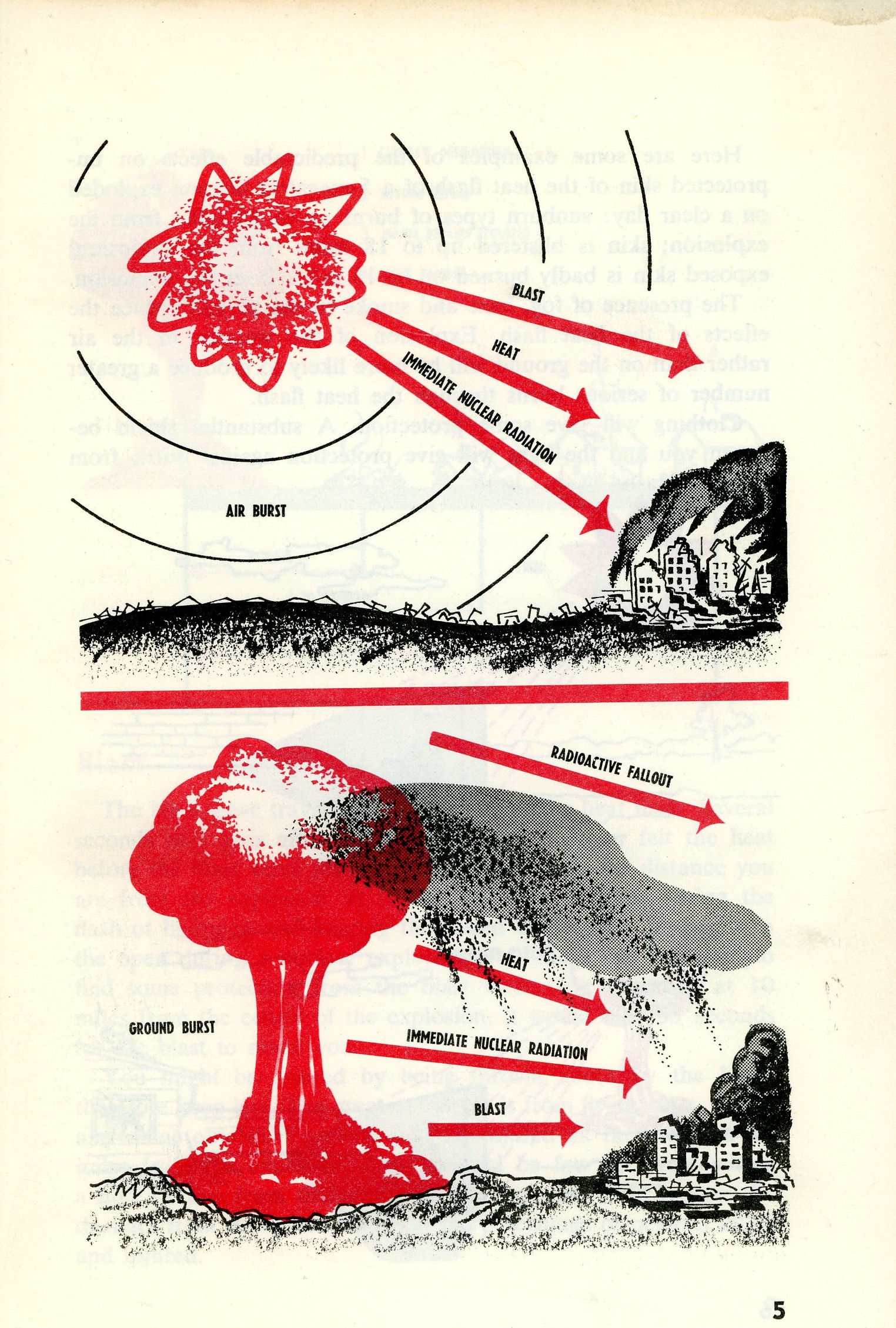
Information on surviving an attack continued to be provided by all levels of government throughout the 1960s. A series of free booklets, “Blueprint for Survival,” were published by the federal government and included titles such as “Fallout on the Farm,” “11 Steps to Survival,” “Survival in Likely Target Areas” and “Your Basement Fallout Shelter” were provided free from local Civil Defense authorities.
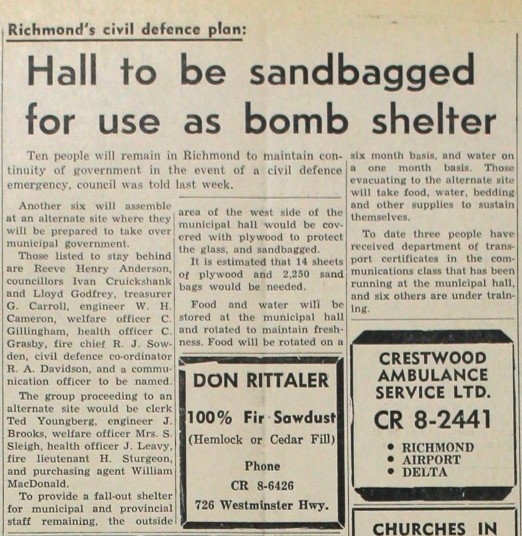
At Richmond Municipal Hall plans were drawn up for the modification of a part of the outside of the west side of the hall to create a blast/fallout shelter using sheets of plywood and sandbags. Several building permits were issued to local residents who wanted to build similar types of shelters. Basement shelters were unrealistic in Richmond with its high water tables, so the standard of three feet of packed earth or two feet of concrete were considered sufficient for protection against radiation in an above ground shelter.
The Cuban Missile Crisis of October 1962 saw the world teetering on the edge of nuclear war and raised tensions to their highest point during the Cold War, but as time passed and the threat of mutually assured destruction created a stalemate between the nuclear powers, attitudes began to change and by the mid 1970s local officials were questioning the need for warning sirens in the community.
In response, Major W.W. Baldwin of CFB Chilliwack stated, “The current federal government justification on this matter is that, at present, these sirens are the only available warning system that can alert the greatest number of citizens in time to take action that will allow maximum survival or limit the effects of a surprise attack, be it nuclear or conventional in nature.” “If we wish to close our eyes to the possibility of another war then the possibility of a nuclear accident or major industrial accident such as the accidental leakage of toxic substances into the atmosphere should be considered.”
With the end of the Cold war in the early 1990s, a warning system based on 1950s technology, with all of the associated glitches and false alarms, was deemed to be no longer necessary. Between 1994 and 1996 the Department of National Defence removed all the sirens in Canada and destroyed most of them.
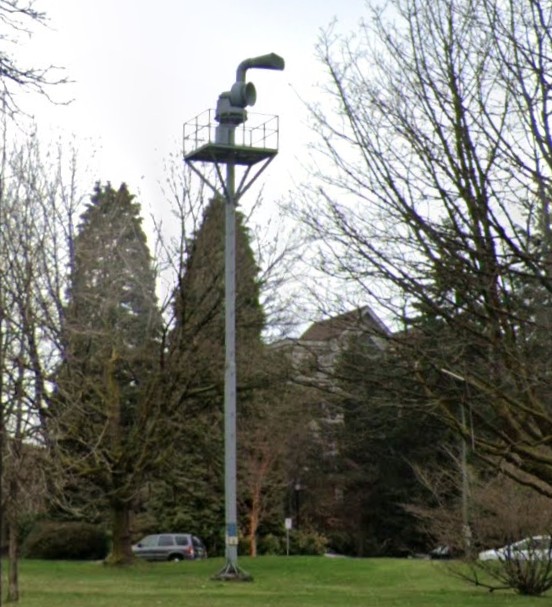
Today, nearly everyone carries a warning system in their pocket, allowing notifications to reach a much wider part of the population. Smart phones, even with their associated glitches and false alarms, have taken the place of yesterday’s pole-mounted warning sirens.


You must be logged in to post a comment.