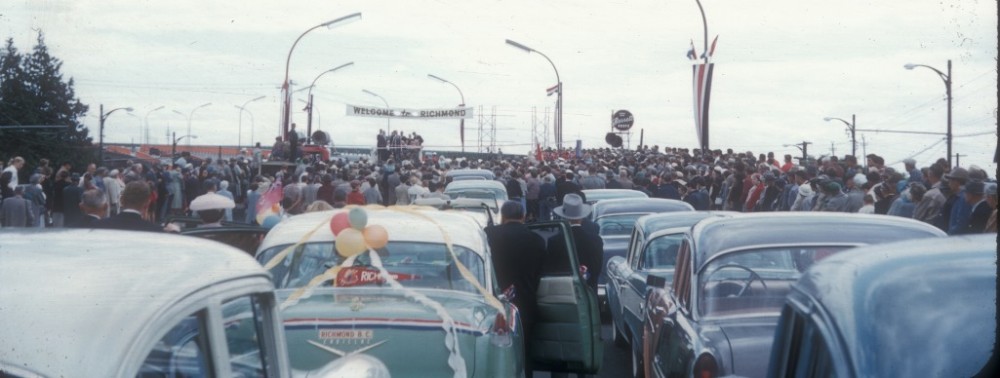
Focus on the Record – Records of Taxation

Municipal governments in BC have the authority to tax property owners to pay for the costs of governance and local services.
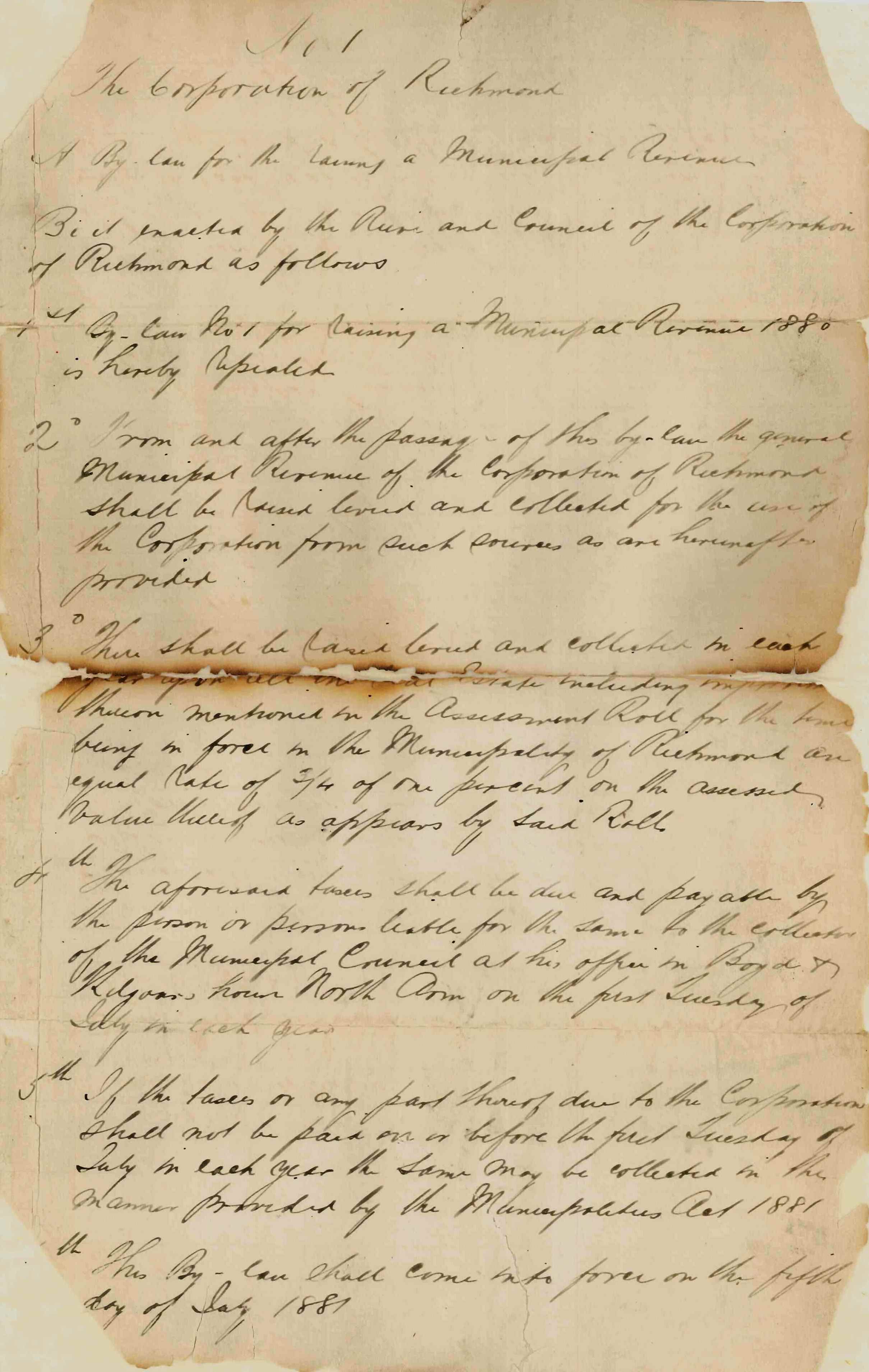
Bylaw 1 of 1881 - Bylaw to raise municipal revenue.

Bylaw 1 of 1881 – Bylaw “for the raising a Municipal Revenue.” (Note: document damaged in 1913 fire which destroyed Richmond’s first Town Hall.) City of Richmond Archives Bylaws

The City of Richmond Archives holds records of these activities carried out in Richmond dating back to the earliest years of the municipality. These include property assessment and the preparation of assessment and local improvement tax rolls, the collection of taxes, tax sales, and the hearing of taxpayer appeals.

Page from municipal Tax Ledger, 1887. City of Richmond Archives Tax Ledgers

Page from municipal Tax Ledger, 1887. City of Richmond Archives Financial Ledgers

The municipality was responsible for tax assessments until 1974 when the BC Assessment Authority was established. Tax assessment and collection rolls dating from 1905 are available on microfilm for research at the Archives.  From 1896 to1974 a Court of Revision for assessments sat to hear appeals from property owners. The Archives holds original minutes of these meetings.
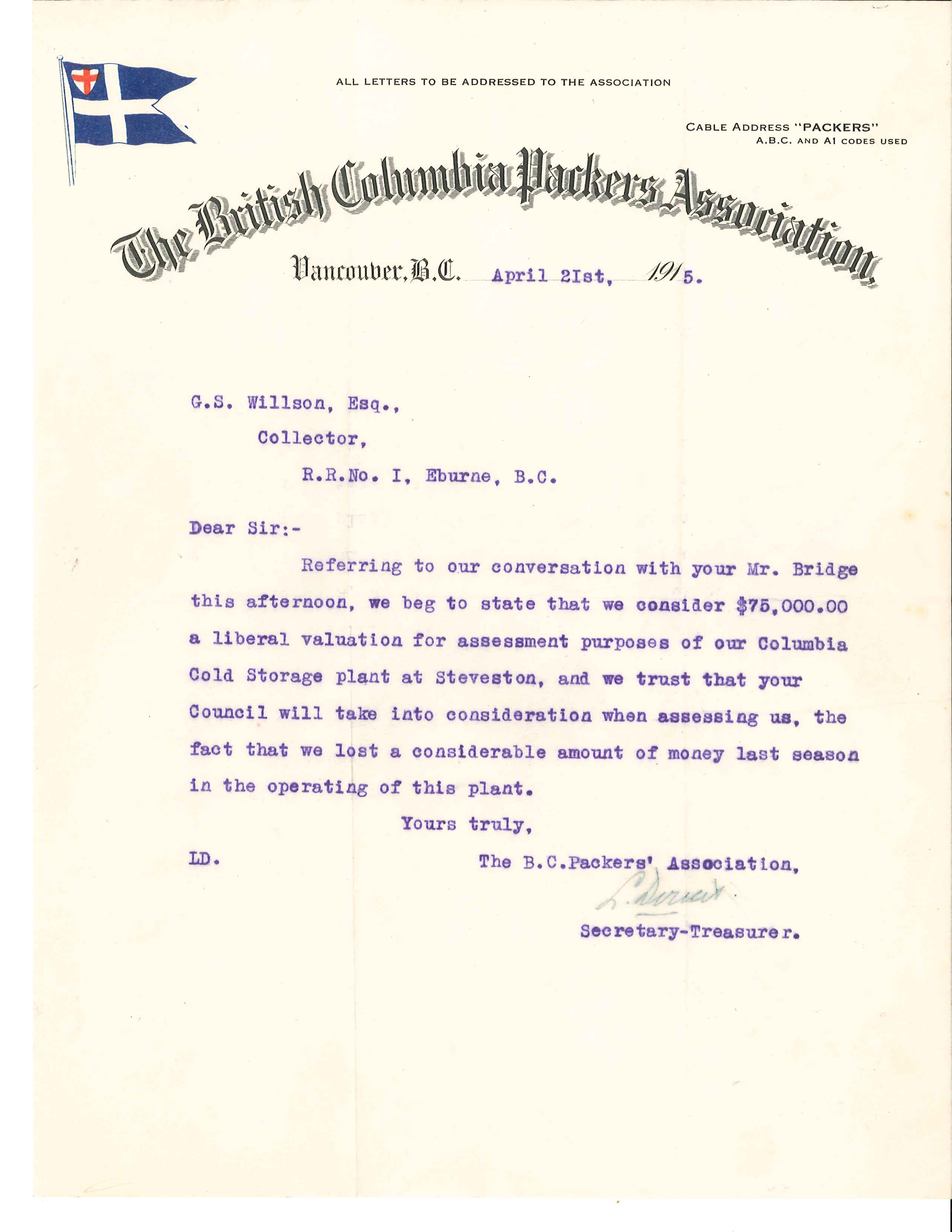
Letter from the BC Packers Association requesting change in tax assessment.

Letter from the BC Packers Association requesting change in tax assessment, 1915. City of Richmond Archives MR 2, File 5

Other records relating to taxation in the Archives’ holdings include early ledgers recording the collection of taxes and delinquencies, early Clerk’s Department correspondence files, files relating to tax sales and taxation policy, and photographs of buildings taken by the municipal Assessor.
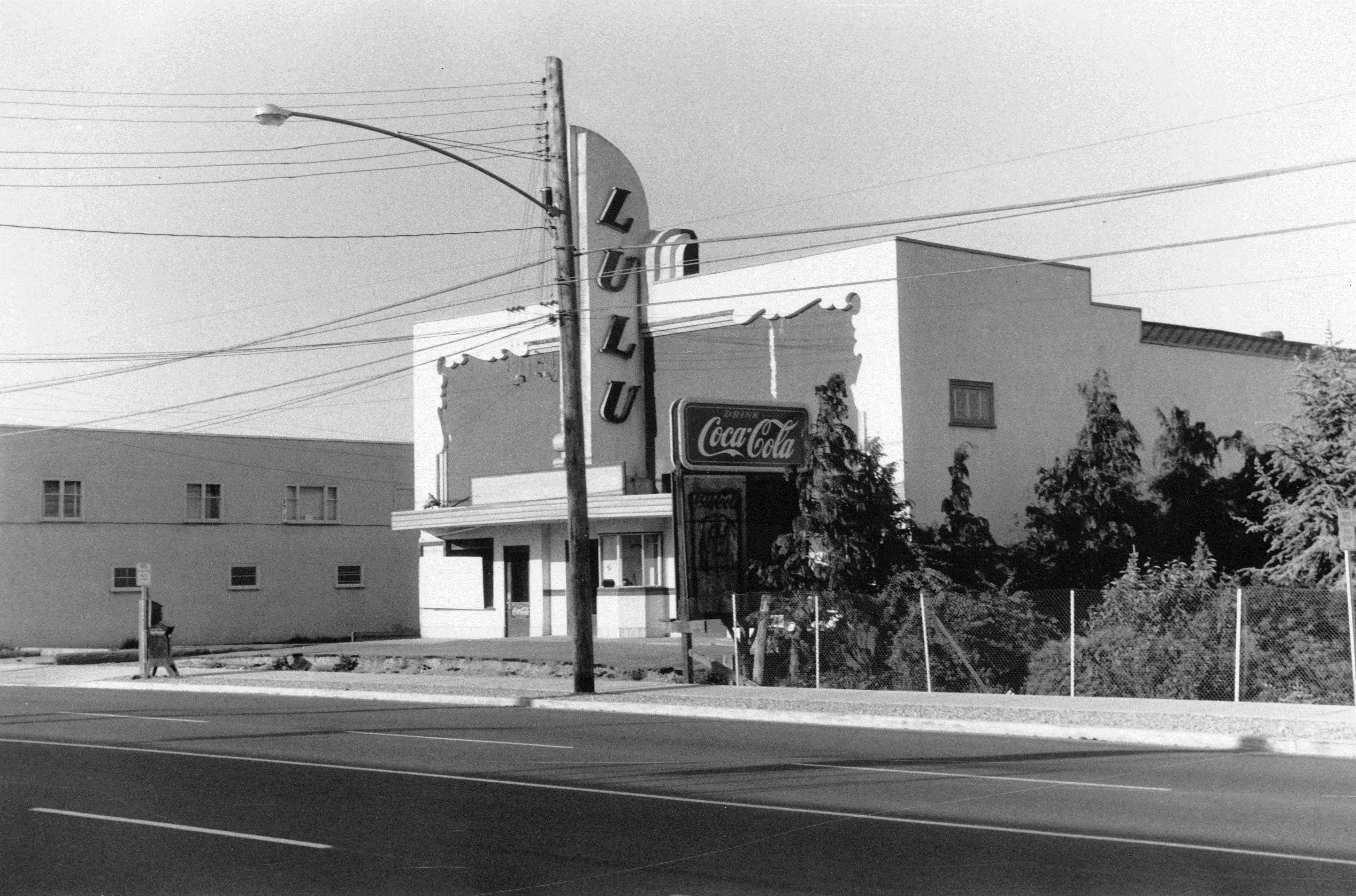
Assessor's photograph of Lulu Theatre, 1958. City of Richmond Archives Photograph 1988 18 31

Assessor’s photograph of Lulu Theatre, 1958. City of Richmond Archives Photograph 1988 18 31

[Note – this is an updated version of an article first published in the Spring 2013 issue of the Archives News]
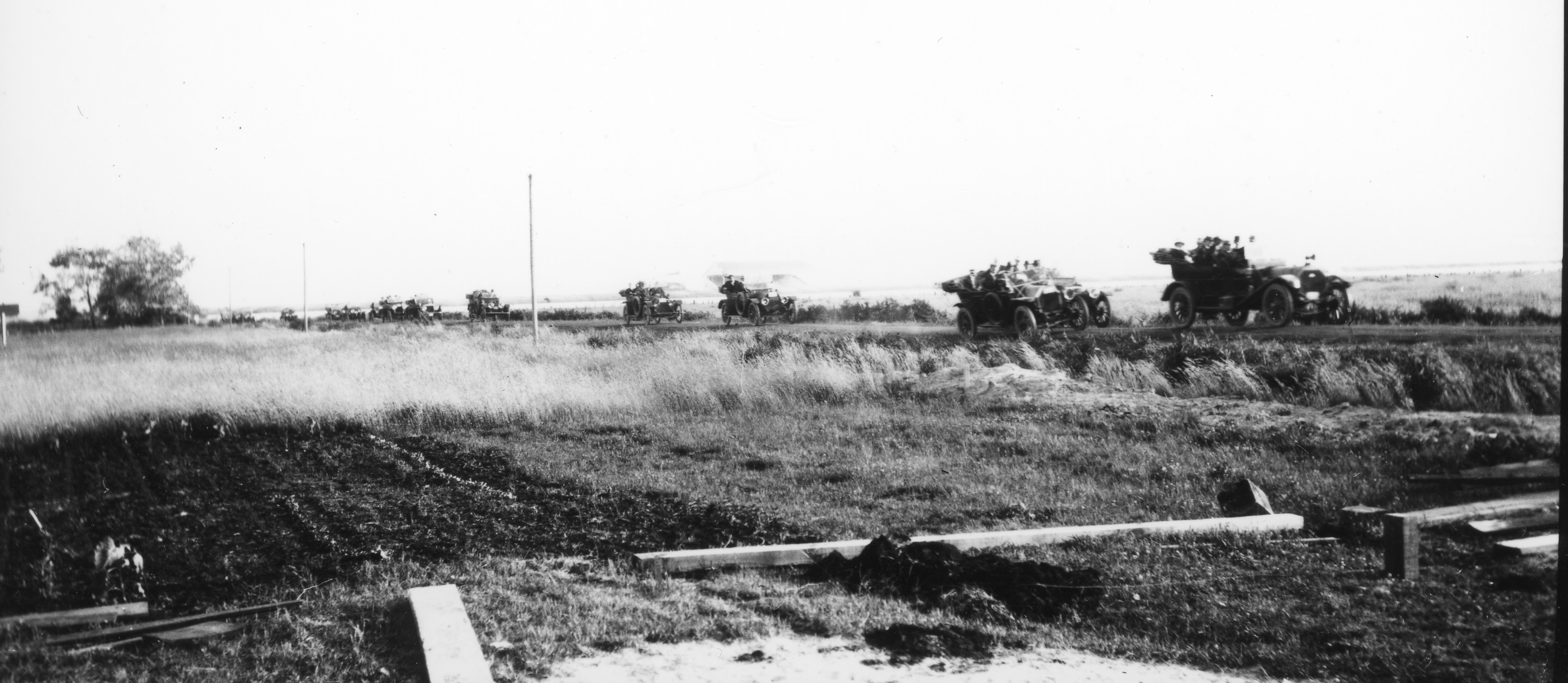
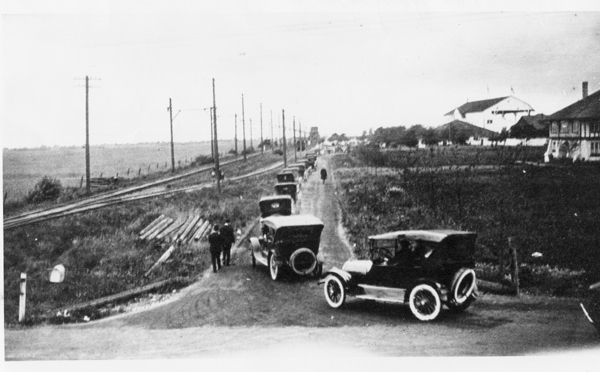
Traffic Congestion in Richmond – Bumper-to-Bumper Through the Years

Traffic congestion has been a major topic of conversation among Richmondites from the early age of motor cars to the present day.

1988 95 1

Traffic on No. 3 Road, as viewed from the Ackroyd farm, ca. 1915. City of Richmond Archives Photograph 1988 95 1

Roads like No. 3 Road have always been problematic for traffic, witness Council minutes and resolutions like this: “Decision to place Danger Signs near the corner (curve) at the end of No. 3 Road on the River Road owing to two bad curves and congested traffic.” (June 25, 1923)

Traffic at Brighouse Park Race Track, 1921. City of Richmond Archives Photograph 1978 13 5

Traffic at Brighouse Park Race Track, 1921. City of Richmond Archives Photograph 1978 13 5

Special celebrations and events have always caused traffic congestion and parking problems.  From sporting events and May Day celebrations to horse racing fixtures at the two Richmond thoroughbred tracks, travel often meant long line ups and delays.

Line-up for the Ladner ferry on No. 5 Road, 1947. City of Richmond Archives Photograph 1997 16 19

Line-up for the Ladner ferry on No. 5 Road, 1947. City of Richmond Archives Photograph 1997 16 19

Richmond’s geographic location on islands in the Fraser River has always posed problems for traffic at river crossings.

Whether it be the ferry to Ladner or crossing the old Marpole and Fraser Street Bridges, bumper-to-bumper traffic was a normal component of a commuter’s day.

Bumper-to-bumper traffic on the Sea Island side of the Marpole Bridge, 1955. City of Richmond Archives Photograph 1997 42 3 145

Traffic congestion on the Sea Island side of the Marpole Bridge, 1955. City of Richmond Archives Photograph 1997 42 3 145

Here’s an account by Grant Thompson of the Sea Island Heritage Society of the problem of crossing the Marpole Bridge at rush hour in the 1950s:

“One of the results of these traffic jams was that both Lancaster Cres. and Catalina Cres. were turned into one-way streets south bound. During rush hour many drivers would race north down either street and then try to cut back onto Miller in the case of Catalina or back onto “Airport Highway” at the north end of Lancaster. Barricades blocked access to Miller Road at Wellington Cres. and at the lane on the east side of Sea Island School. Add to this the traffic from the Airforce Base on Miller Road and the traffic from Cora Brown on Grauer Road turning left onto the Bridge and you had one big mess coming from Sea Island.  Also contributing to this back up was traffic heading to the Lansdowne Race Track which backed up in old Marpole and also the traffic making a left turn cutting across the Air Port Highway to use the Bridgeport bridge and traffic coming from the west from Lulu Island merging onto the Marpole Bridge in front of Grauer’s store. Add to this the opening of the Marpole Bridge for boat traffic which happened often depending on which way the tide in the river was going. It was quite often 8 o’clock in the evening before the traffic eased off. The odd configuration of the street intersection didn’t help matters in Marpole. During these back-ups there were two Vancouver policemen detailed to directing traffic in Marpole. The parking lot at the ANAF club was always full; people would stop and have a few beer and wait out the rush hour. In fact it was much faster to walk the mile from Burkeville, go to the show at the Marpole Theater and catch the bus home after the movie. The Fraser Bridge was not much better as it also backed up for many of the same reasons.”

Construction tie-ups on No. 3 Road, 1985. City of Richmond Archives - Richmond Review Photograph 1988 121 - August 21 1985.

Construction tie-ups on No. 3 Road, 1985. City of Richmond Archives – Richmond Review Photograph 1988 121 – August 21 1985.

Modern transportation and traffic planning and the return of commuter rail to Richmond with the Canada Line have alleviated some of the earlier traffic nightmares.  Traffic congestion and its associated problems, however, still remain a major challenge for Richmond and other municipalities in the Lower Mainland.


Focus on the Record – Records of Heritage Preservation

Since 1961 when the Historical and Museum Advisory Committee was formed, Richmond’s municipal government has been involved in identifying and preserving heritage sites in the community.

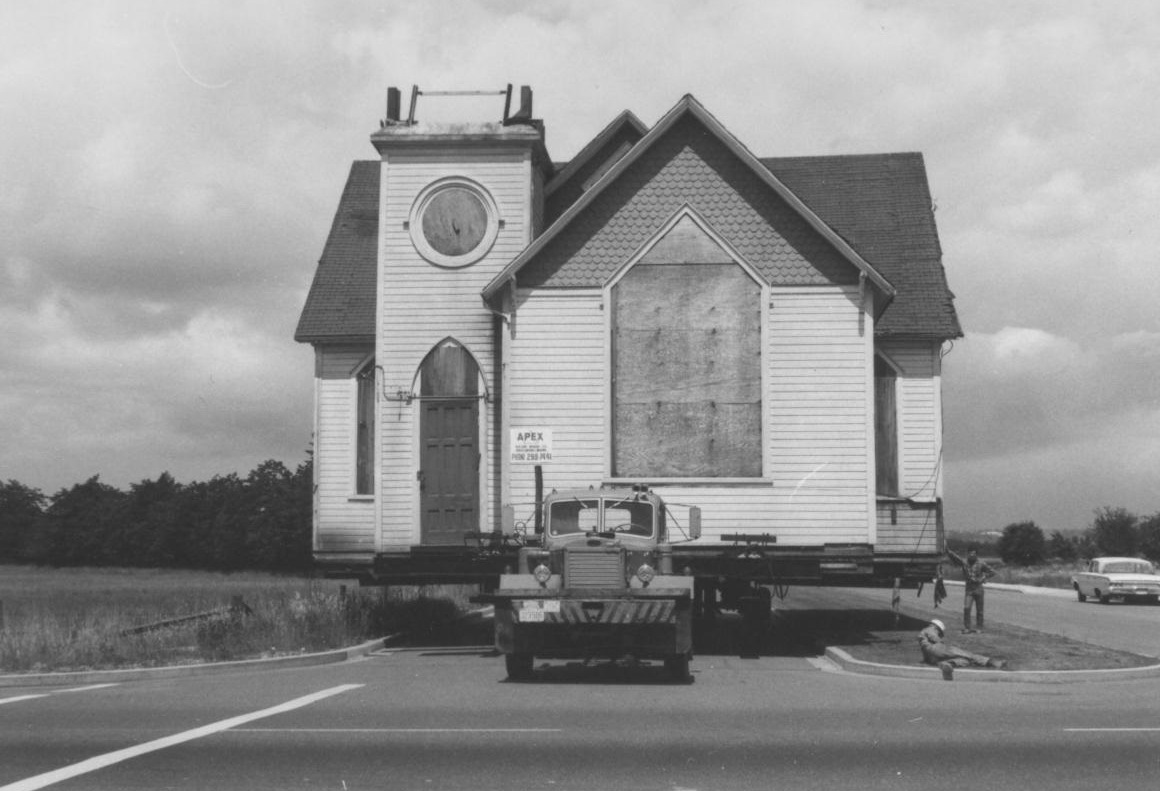
The old Richmond United/Methodist Church building being moved to Minoru Park, 1967. City of Richmond Archives Photograph 1989 33 1

The old Richmond United/Methodist Church building being moved to Minoru Park, 1967. City of Richmond Archives Photograph 1989 33 1

One of the first major heritage projects undertaken was in 1967, when the original Richmond United/Methodist Church building at the corner of River Road and Cambie was purchased by the municipality, moved to Minoru Park and renamed Minoru Chapel.

Steveston Museum and Post Office (formerly Royal Bank / Northern Bank) during restoration, 1980. City of Richmond Archives Photograph 1997 42 1 125

Steveston Museum and Post Office (formerly Royal Bank / Northern Bank) during restoration, 1980. City of Richmond Archives Photograph 1997 42 1 125


The acquisition and restoration of heritage buildings by the municipality continued in the 1970s and 1980s, with the Royal Bank (originally Northern Bank) in Steveston, London Farm, and the Britannia Shipyard being the most notable during this time.

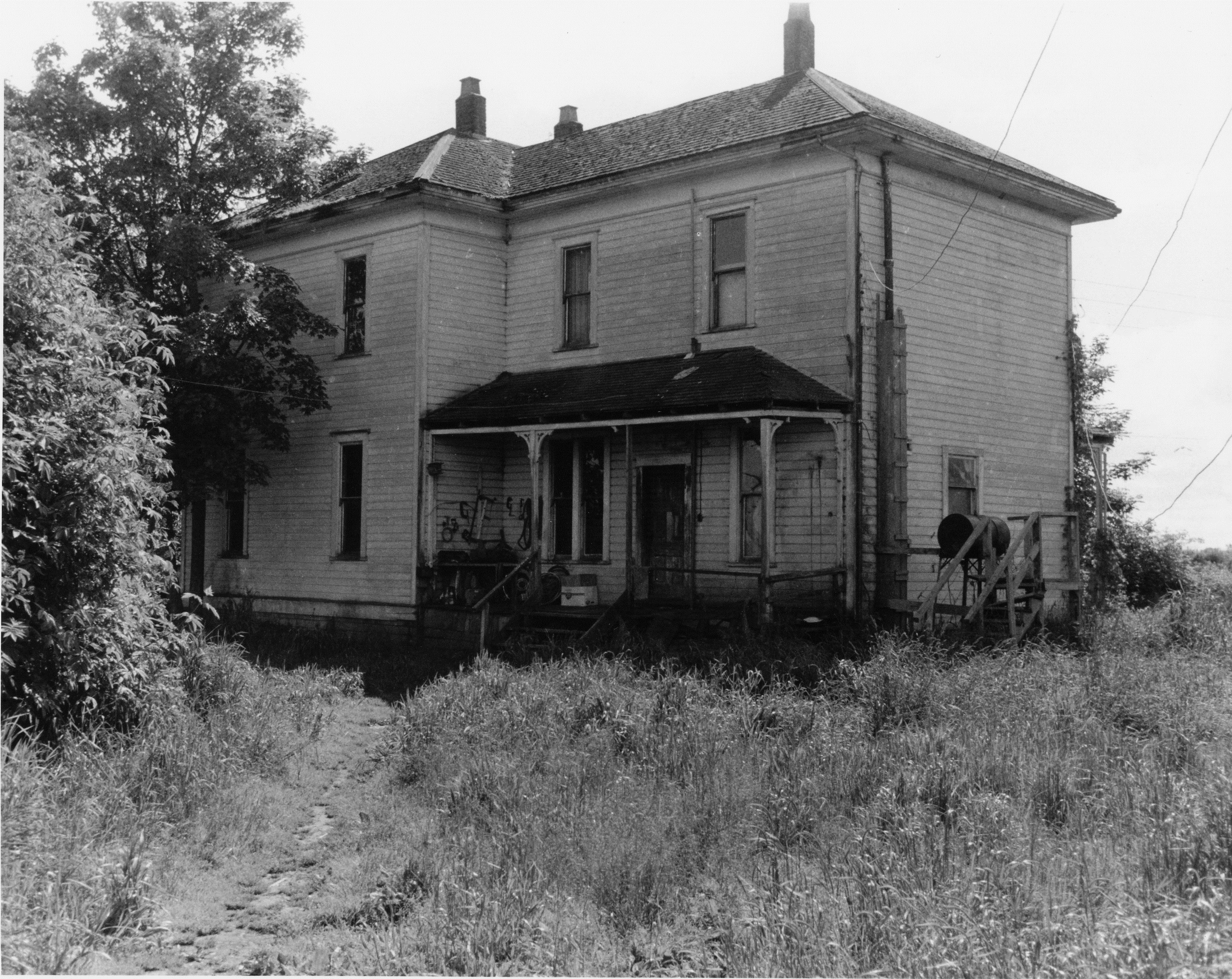
London Farm before restoration, 1977. City of Richmond Archives Photograph 1985 187 7

London Farm before restoration, 1977. City of Richmond Archives Photograph 1985 187 7

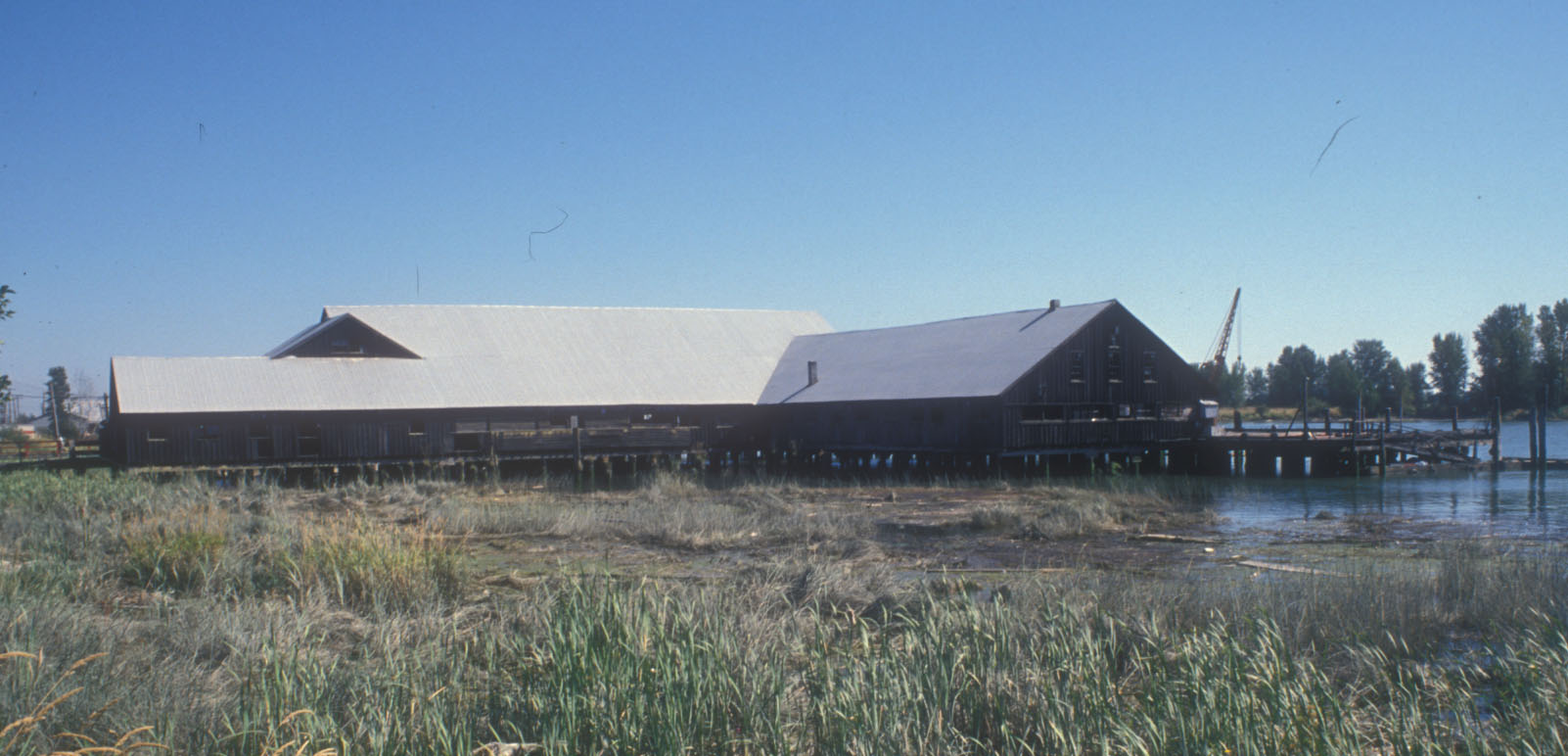
Britannia Shipyard area, 1988. City of Richmond Archives, Heritage Advisory Committee, File 2-1-3

Britannia Shipyard area, 1988. City of Richmond Archives, Heritage Advisory Committee, File 2-1-3

Other important heritage preservation activities included the establishment of the Steveston Heritage Conservation Area and the development and preservation of Garry Point Park and Scotch Pond.

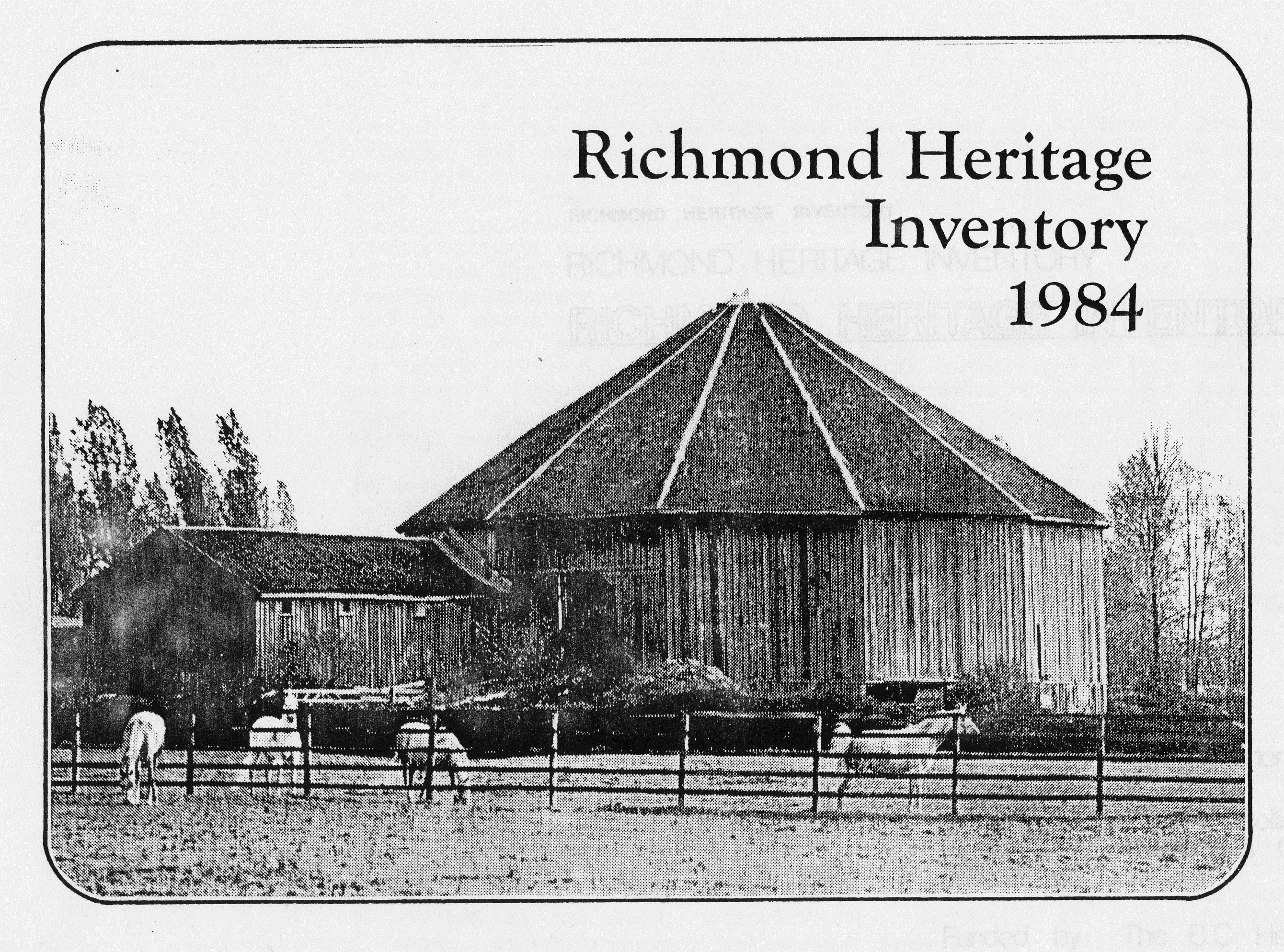
Cover of the first Heritage Inventory for Richmond, 1984. City of Richmond Archives GP 34

Cover of the first Heritage Inventory for Richmond, 1984. City of Richmond Archives GP 34

The establishment of a Heritage Advisory Committee by the municipality in 1984 marked the beginning of a formalized program for heritage preservation. That committee, later reconstituted as the Richmond Heritage Commission, conducted a number of important heritage studies, not the least of which was a formal Heritage Inventory for Richmond. The first inventory was published in 1984 and several updates have been made since.

The City of Richmond Archives has comprehensive records documenting heritage preservation activities in the community, dating back to the records of the Historical and Museum Advisory Committee and including minutes, research files, project files, studies and reports of the Heritage Advisory Committee/Heritage Commission. In addition, records of the Engineering Department and the Leisure Services Department document restoration, maintenance and programming activities at municipally-owned heritage sites. Records of the Planning Department, Law Department and Clerk’s Office provide an accurate picture of the process by which heritage properties were acquired, and how policies relating to non-City owned property of heritage significance have developed.

[Note – this is an updated version of an article first published in the Fall 2014 issue of the Archives News]

Vantage Point – Industry on the South Arm of the Fraser

Steveston Harbour showing canneries and fish boats, 1959. City of Richmond Archives Photograph 2010 87 29

Steveston Harbour showing canneries and fish boats, 1959. City of Richmond Archives Photograph 2010 87 29

A recent addition to the holdings of the City of Richmond Archives is an album of aerial photographs taken from 1959 to 1962 showing industry on the South Arm of the Fraser River, at New Westminster, and on the Upper Fraser.

The album was created by the New Westminster Harbour Commission with aerial photographs taken by George Allen.

Crown Zellerbach paper mill and wharf, 1959. City of Richmond Archives Photograph 2010 87 28

Crown Zellerbach paper mill and wharf, 1959. City of Richmond Archives Photograph 2010 87 28

Images from 1959 depict Steveston Harbour and the wharves of what were Richmond’s three major industrial plants on the South Arm: Crown Zellerbach Paper Mill, Canada Rice Mills, and LaFarge Cement.

Canada Rice Mills plant and wharf, 1959. City of Richmond Archives Photograph 2010 87 27

Canada Rice Mills plant and wharf, 1959. City of Richmond Archives Photograph 2010 87 27

The photographs were taken in the same year that the Deas Island (George Massey) Tunnel was opened.

La Farge Cement plant, showing Don and Lion Island, 1959. City of Richmond Archives Photograph 2010 87 31

La Farge Cement plant, showing Don and Lion Island, 1959. City of Richmond Archives Photograph 2010 87 31

The 52 photographs in the album are among a larger number of images that have been recently scanned as part of the ongoing Archives digitization program.

Early Navigation and the Leading Tree at Garry Point

In the early days of navigation, mariners depended heavily on knowledge of landmarks and geographical features to find their way. This was especially true when entering harbours and river mouths. Early navigational charts showed important physical features that would be visible to mariners, and at the mouth of the Fraser River one of the most important of these was “The Leading Tree”, a large tree at Garry Point which stood out starkly on the otherwise featureless landscape of Lulu Island.

This view of Steveston’s “Cannery Row” shows a rare image of the Leading Tree at Garry Point, on the left, ca. 1890. Photo from City of Richmond Archives digital reference files.

scan0001

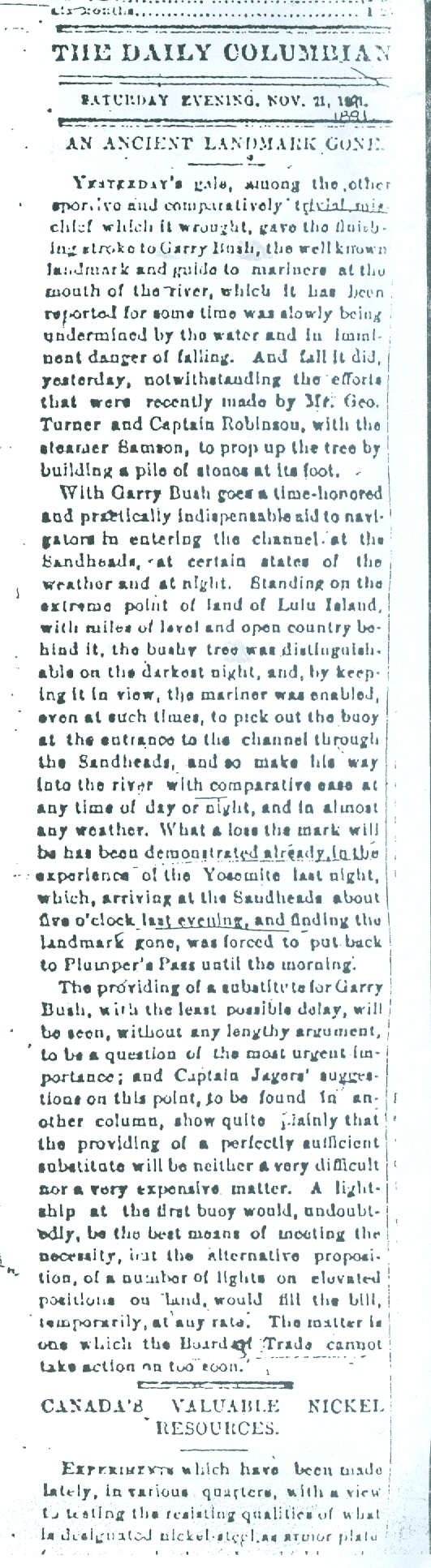
Article from the New Westminster Daily Columbian, November 21, 1891. (City of Richmond Archives Reference Files.)

The Fraser was first charted in 1859 by Captain G.H. Richards, who also had a series of navigation buoys anchored to mark the river channel.

On his chart the tree was featured as a navigational marker and it subsequently appeared in future Admiralty charts and sailing directions for decades to come.

The tree was called by several names, the Leading Tree, the Lone Tree, the Garry Tree and the Garry Bush and was either a spruce, pine or fir, depending on which record is read. Regardless, it was  a vital guide in making one’s way into the river, even for experienced local mariners.

Improvements in navigating the river continued, with the availability of river pilots and installation of lightships and lighthouses at the Sand Heads, but the tree continued to be a navigation aid until 1891 when newspaper reports in the May 30, 1891 Daily Columbian raised concerns about the tree’s future, saying that “Mr. Turner (George Turner, formerly of the Royal Engineers) had two mattresses sunk at Garry Bush to try and save it from being carried away. Garry Bush, a well known land mark to mariners, is a tall pine tree with some wild crab apple trees growing about, on the lower end of Lulu Island.”

The article states that in the previous three years 400 to 600 feet of shoreline had been washed away and  that the roots of the tree had become undermined. A later article from November 21, 1891, titled “An Ancient Landmark Gone” stated that despite efforts to save the tree, it had been washed away in a gale on the 20th.

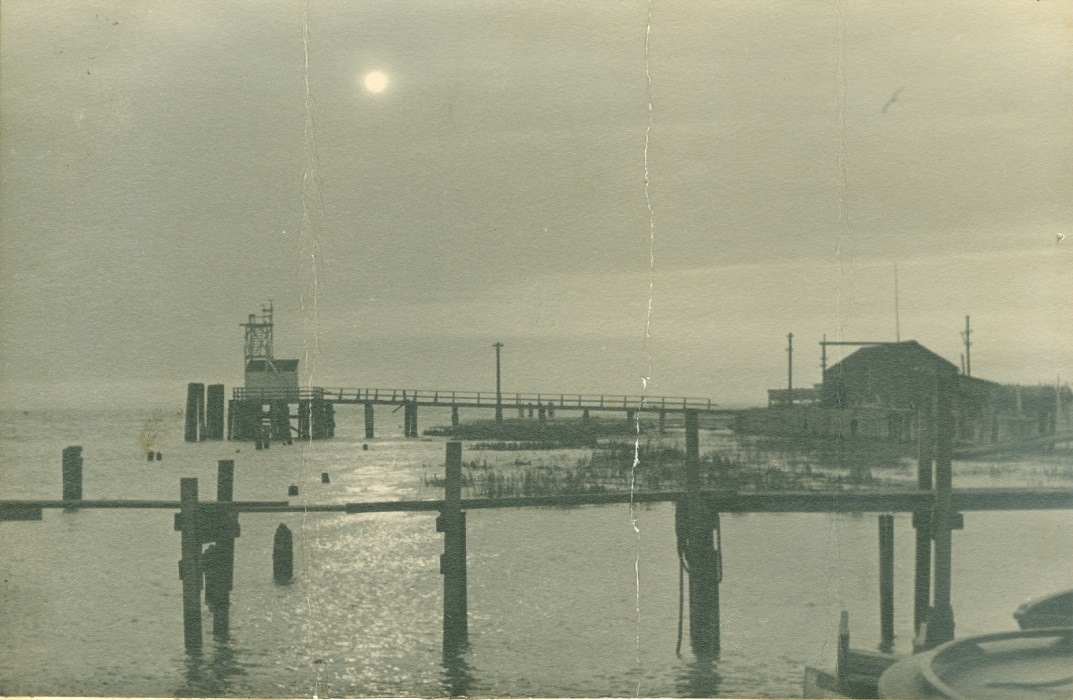
1978 34 3

Gambles Observatory at Garry Point in 1909. Built as a tide gauge, a fixed red light was added to it after the tree was washed away. It was visible for six miles. (City of Richmond Archives photo 1978 34 3)

The loss of the tree prompted the authories to install a light at Garry Point, mounted atop Gamble’s Observatory, which had been built as a tide gauge by Provincial Government Public Works Engineer F.C. Gamble, the supervisor of dyking operations in the lower Fraser Valley.

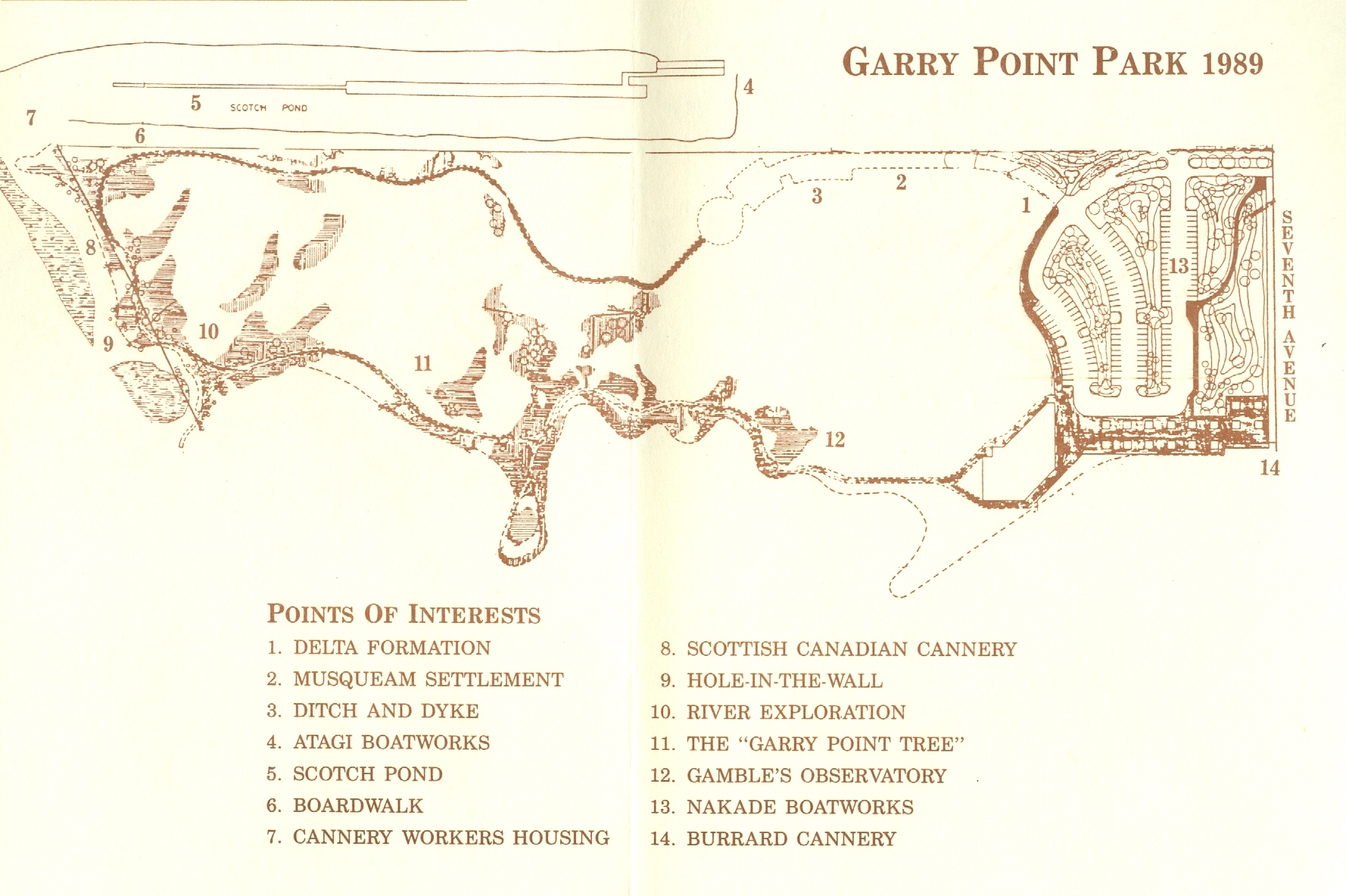
scan0002

A walking tour map of Garry Point Park from 1989 shows significant locations around the park, including the location of the “Garry Point Tree”, No. 11, and Gamble’s Observatory, No. 12. (City of Richmond Archives Reference Files)

The construction of the Steveston Jetty in 1911 and a program of dredging have stabilized the shifting main channel and newer lights and navigation markers and buoys make the trip up the river much less risky than in the past, but all these modern aids to navigation have a heritage that stems back to a single large tree that grew at Garry Point.